


How to Get BAS Lodgement Right in Mt Waverley: A Small Business Guide
Every few months, small business owners across the City of Monash experience the exact same feeling: a sudden spike in stress as the quarterly Business Activity Statement (BAS) deadline looms.
If you run a local business—whether it is a retail shop near Chadstone Shopping Centre, a tech startup close to Monash University, or a family enterprise right here on Waverley Road—you know that filing your BAS is not just an administrative box to check.
The surface-level problem seems simple: calculating your numbers and submitting them to the Australian Taxation Office (ATO) on time. But the real, deep pain is the constant anxiety over cash flow. It is the fear of waking up to an unexpected five-figure tax bill because your numbers did not match your actual cash reserves. It is the sinking feeling that an unintentional tracking mistake might trigger a costly ATO audit, pulling you away from running your business.
Getting your BAS lodgement Mt Waverley right is the ultimate way to protect your profits, master your cash flow, and keep your business moving forward safely. Here is a practical guide to help you transition from stressful, last-minute guesswork to bulletproof tax compliance.
1. Real-Time Reconciliations vs. The Last-Minute Rush
The biggest mistake business owners make is trying to catch up on three months of bookkeeping in a single weekend. When you rush your data entry, you miss crucial transactions, double-count expenses, or forget to claim valid Goods and Services Tax (GST) credits.
To ensure an accurate lodgement, make it a habit to reconcile your bank accounts weekly. Match every single incoming invoice and outgoing receipt using reliable cloud software. When your daily transactions are cleanly categorized, generating your final activity statement takes minutes rather than days.
2. Segregate Your Tax Collections Instantly
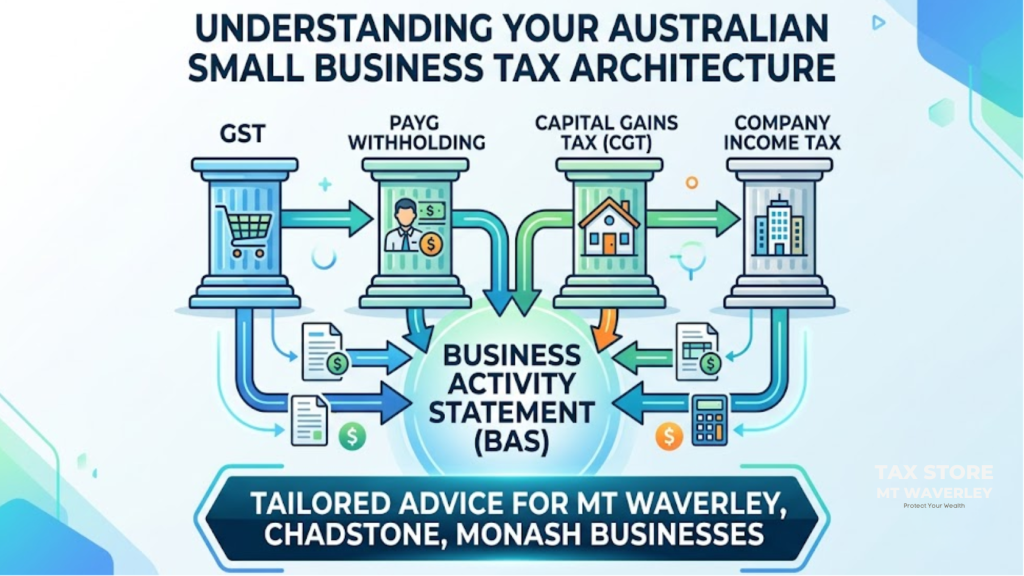
Never treat collected GST or payroll withholdings as operational cash. It belongs to the ATO. When your business account looks flush, it is easy to overspend on stock or marketing, only to find yourself short when the payment deadline hits.
Open a separate, high-interest business savings account. Every time a client pays an invoice, transfer exactly 10% into that account. If you employ staff, transfer their Pay As You Go (PAYG) withholding amounts into this account every payday. This simple operational boundary keeps your hard-earned profits completely safe from tax-season surprises.
3. Know Your 2026 Deadlines (and the Agent Extension Advantage)
Missing a deadline means facing immediate Failure to Lodge (FTL) penalties, which cost $330 per 28-day period from the due date. The standard quarterly deadlines for self-lodging businesses are fixed:
-
Quarter 1 (Jul–Sep): 28 October
-
Quarter 2 (Oct–Dec): 28 February
-
Quarter 3 (Jan–Mar): 28 April
-
Quarter 4 (Apr–Jun): 28 July
However, when you work with a registered BAS agent Melbourne, you unlock a major cash flow advantage: a guaranteed 4-week lodgement and payment extension for three out of the four quarters. Partnering with a professional gives your cash flow extra breathing room when you need it most.
4. The Value of a Local Expert Partner
Bookkeeping software is incredibly helpful, but it cannot replace human oversight. Software will not notice if you accidentally claimed GST on a bank fee or missed an eligible deduction on a complex asset purchase.
When you work with a dedicated small business accountant Chadstone, you gain an advocate who reviews your books for accuracy, catches errors before the ATO does, and optimizes your position. At Tax Store Mt Waverley, we build a protective shield around your business so you can focus entirely on what you do best: serving our local community and growing your revenue.
Frequently Asked Questions (FAQs)
Q1: What is the difference between an accountant and a registered BAS agent? A bookkeeper or registered BAS agent specialises in day-to-day transactions, payroll, and submitting your regular activity statements. A small business accountant provides big-picture tax planning and structural advice and prepares your annual income tax returns. At Tax Store Mt Waverley, we provide both services under one roof to give you total financial support.
Q2: Do I need to file a BAS if my business didn’t make a profit this quarter? Yes. The ATO determines your reporting requirements based on your gross GST turnover, not your net profit. Even if your business had a slow quarter or operated at a loss, you are legally required to lodge your statement on time.
Q3: Can a local Monash bookkeeper help me fix historical bookkeeping errors? Absolutely. If your previous lodgements contain errors, a qualified bookkeeper Monash can review your past files, make adjustments, and lodge formal amendments with the ATO to fix the issues permanently.